Editorial Team
Editor-in-Chief

Editorial Board

Susan E Aiello, DVM
American Veterinary Medical History Society
Advisor | Associate Editor: Medical Publishing; Veterinary and Social Services Perspectives
Susan E Aiello, DVM, ELS, has more than 35 years of editorial experience in biomedical communications and publications. She has served as the Editor-in-Chief for multiple editions of The Merck Veterinary Manual and as the medical editor for several human health reference works in geriatric, pediatric, and emergency medicine. Susan studied veterinary medicine at Michigan State University, journalism at Oakland University in Rochester (Michigan), and publication management at Drexel University in Philadelphia. She has served as guest faculty for the Harvard Medical School CME course on writing and publishing for healthcare professionals. In addition, she has conducted myriad language and writing training seminars in the United States and internationally.
Dr. Aiello is a Past President of the Board of Editors in the Life Sciences and a Fellow of the American Medical Writers Association (AMWA). She is also the recipient of AMWA’s highest honor, the Swanberg Award, for distinguished contributions to medical communications. Susan is actively involved with the American Veterinary Medical History Society, serving as editor of the Society’s “Time Bites” series of historical articles, Associate Editor of Veterinary Heritage, and chair of the annual JF Smithcors Student Veterinary History Essay Contest.

Helen T Engelke, BVSc MPVM Dipl ACVPM MRCVS
Western University
Advisor
Dr. Helen Engelke is an Assistant Professor in Veterinary Public Health at Western University of Health Sciences, College of Veterinary Medicine. There she is a subject matter expert in Epidemiology, Veterinary Public Health, One Health, and Public Policy. She is course leader for their third year Veterinary Public Health course as well as course leader for “Veterinary Issues” which is their mandatory course in public policy and social change for first- and second-year veterinary students. She graduated with a Bachelor of Veterinary Science in 1990 from the University of Liverpool (UK). In 1994, with the aid of a Pan American Health Organization Fellowship she completed her Masters in Preventive Veterinary Medicine (MPVM) from UC Davis (CA, USA) and in 2011 she became a diplomat of the American College of Veterinary Preventive Medicine.

Hope Ferdowsian, MD, MPH
Phoenix Zones Initiative
Advisor
Hope Ferdowsian, MD, MPH, FACP, FACPM is a professor of medicine at the University of New Mexico School of Medicine and president of Phoenix Zones Initiative, a global nonprofit organization that advances the health and well-being of people, animals, and the planet through education and outreach, research and innovation, and leadership and advocacy. Over two decades, as a double board-certified internal medicine, preventive medicine, and public health physician, Dr. Ferdowsian has cared for individuals who have experienced health inequities, while she has also worked on policy to address human and animal suffering. Her work across six continents has included the development of medical, public health, and educational resources for nongovernmental organizations, national governments, and intergovernmental organizations. As a result of her work, she was named a Humanitarian of the Year in the American College of Physicians in 2017. Her medical and public health expertise covers violence and conflict, communicable and noncommunicable disease risk, and climate change and pollution.

Katherine Fogelberg, DVM, PhD
Roseman University
Advisor
Katherine Fogelberg earned a PhD (Science Education) from TCU, a DVM from Texas A&M, and is an Army veteran. She has clinical experience with companion, wildlife, and zoo animals; taught public health, veterinary medicine, and education; published multiple peer-reviewed articles; and edited and contributed to Educational Principles and Practice in Veterinary Medicine (2024). Her research includes faculty educational development, global health, and higher education. Dr. Fogelberg serves as a reviewer for scholarly journals covering multiple disciplines and was recently appointed Founding Dean of Roseman University’s proposed College of Veterinary Medicine. In her spare time, she founded and is the CEO of MSoMI Academy for Girls, a 501(c)(3) organization that has a primary school in Kisii, Kenya. She also helped begin the Academy of Veterinary Educators (AVE), which is working to create a formal recognition process for outstanding veterinary educators and recognized her as one of 32 initial Distinguished Experts.
Danielle M Frey, DVM
Colorado State University
Advisor
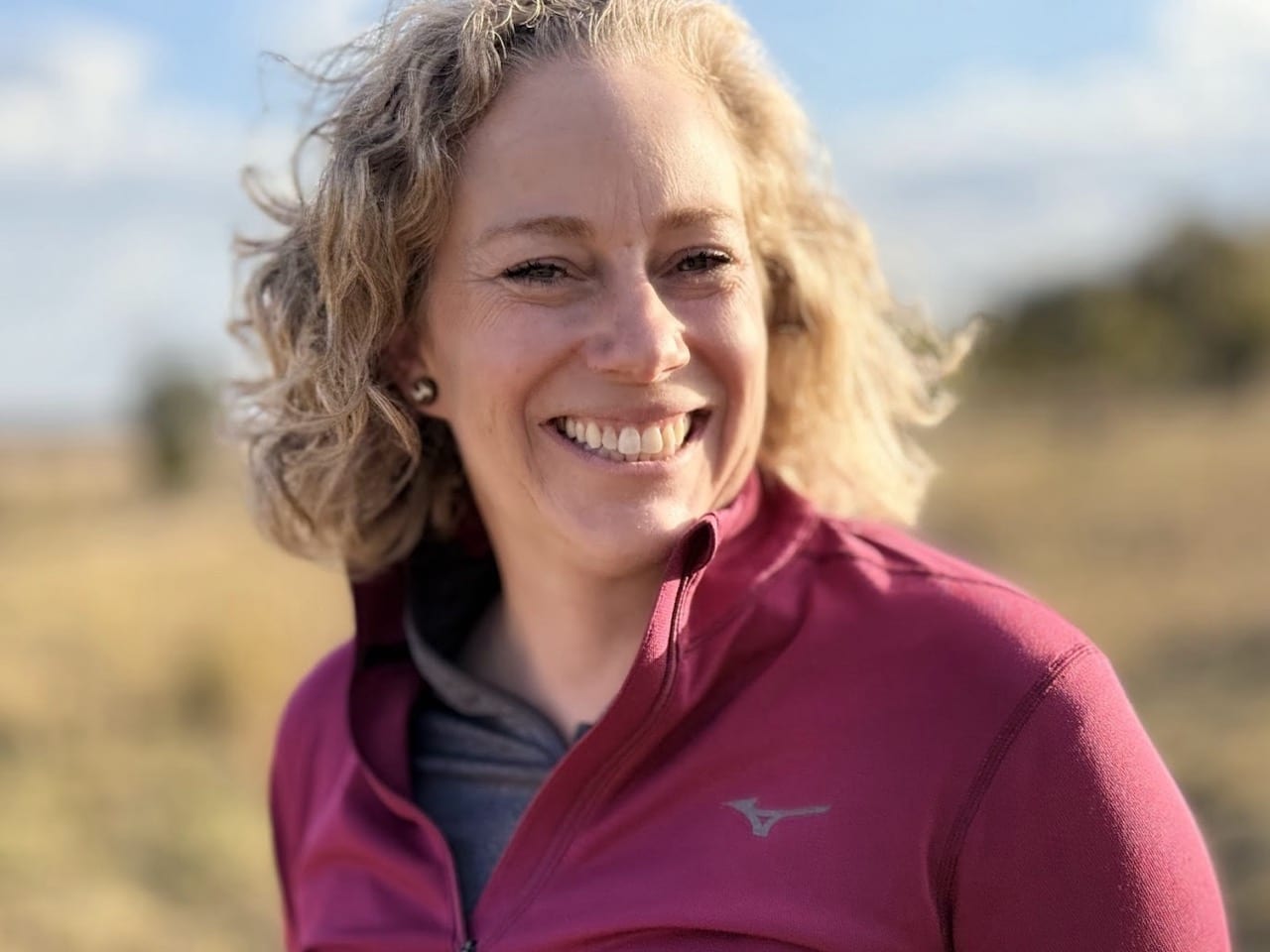
Danielle Frey (she/her) is a veterinarian with a drive for community outreach and engagement. In her role at Colorado State University (CSU), she has developed multiple Doctor of Veterinary Medicine student programs through collaboration with local communities and partnerships that focus on the human-animal interaction, community engagement and public health aspects of veterinary practice. While many of her programs focus on working in underserved communities, her principal program that works in underserved communities is located on the Baja Peninsula of Mexico. These opportunities explore cultural and regional variations in approaches to the human animal bond and medicine as well as bringing access to care to communities experiencing barriers. In the creation of these programs, she works with collaborators to address complex issues at the heart of the intersection of animal and human health and the barriers to veterinary care. Originally from Colorado, Danielle, graduated from CSU in 2004 with a degree in Biological Sciences, a minor in Spanish and received her Doctor of Veterinary Medicine from CSU in 2008. Prior to taking her role at CSU she worked in small and mixed animal practices as well as in shelter medicine. Her true passions lie in developing relationships and working with others to create programs increasing community access to veterinary care, helping create healthy communities through a one health approach and fostering opportunities for students to strengthen their skills and confidence.
She has experience working both internationally and in student engagement, often concurrently. She has worked or volunteered in Latin America since 2006, with both animal and youth programs. She started leading students on international programming in 2009 and enjoys the opportunity that work brings to help her future colleagues see the breadth of the veterinary and human-animal experiences as they vary around the world. In partnership with an instructor from the CSU College of Languages, Literatures and Cultures, Danielle participated in the development of this curriculum of Spanish for Veterinarians language program, focusing on sharing her experience of engaging her veterinary clients in a second-learned language, Spanish.

Lawrence N Garcia, MS, DVM
University of Florida
Advisor | Associate Editor: Animal Health and Well-Being; Logistical and Structural Barriers to Care; Pet-Inclusive Housing; Disaster Preparedness and Response
Dr. Lawrence “Larry” Garcia, MS, DVM, is a Clinical Associate Professor and Medical Director of the Veterinary Emergency Treatment Service (VETS) Team at the University of Florida College of Veterinary Medicine. With experience in general practice, shelter medicine, and emergency response, he has played a critical role in developing disaster preparedness and animal sheltering systems. Dr. Garcia began in general practice before transitioning to shelter medicine, where he led emergency planning and operations in South Florida, including work within the County Emergency Operations Center. At UF, he established clinical clerkships embedding students in real-world shelter operations and leads medical protocol development for the VETS Team. He also trains veterinary professionals and first responders in animal technical rescue and contributes to graduate education in disaster response. Dr. Garcia collaborates with Florida SART on disaster drills and responses, bridging academic and fieldwork to strengthen the state’s veterinary emergency infrastructure.

Sloane Hawes, MSW
Companions and Animals for Reform and Equity
Advisor
Sloane Hawes, MSW (she/her) is Chief of Research and Development at Companions and Animals for Reform and Equity (CARE). She uses a community based participatory research approach to develop and evaluate equitable, accessible, and community-led solutions that improve the quality of life for marginalized people and their pets. She has nearly a decade of experience in research, direct care, and advocacy roles that include community organizing, case management for unhoused people, and supporting families in crisis at an open-admission animal shelter. Her research interests include access to care, pet inclusive housing, mutual aid, One Health (Indigenous Knowledge), decolonization, and restorative justice. She lives in Colorado with her partner, two kids, two dogs, and six chickens.

Nicole Holt MPH, DrPH, CPH
Virginia Polytechnic Institute and State University
Advisor | Associate Editor: Epidemiology; Mixed-Methods Research; Program Evaluation; Health Professions Education; Competency-Based Assessment; Interprofessional Education; Applied Public Health; One Health
Dr. Nicole Holt is an epidemiologist and Assistant Professor who serves as Program Director of the Master of Public Health (MPH) program at Virginia Tech. She has led MPH programs across multiple institutions, overseeing accreditation, curriculum development, and student mentorship. Her scholarly interests include global health, applied epidemiology, and educational research focused on competency-based assessment and program improvement. Dr. Holt has collaborated with international partners in Nicaragua, Ecuador, and Kenya and is dedicated to preparing practice-ready public health professionals.
Her methodological strengths span quantitative epidemiologic methods (including multilevel modeling, logistic regression, and secondary analysis of surveillance and population-based datasets), qualitative approaches (focus groups, key informant interviews, needs assessments, and nominal group technique), and mixed-methods designs for program evaluation and educational research. She has particular expertise in competency-based assessment, curriculum evaluation, interprofessional education, and applied public health research in domestic and international settings, including collaborations at the intersection of public health, medicine, and veterinary medicine.

April A Kedrowicz, MS, PhD
North Carolina State University
Advisor
April A Kedrowicz, PhD, is professor of communication at the North Carolina State University College of Veterinary Medicine. She has over 20 years of experience teaching interpersonal and professional communication, and she developed and leads the preclinical professional communication curriculum at NC State.
She is Chair of the American Association of Veterinary Medical College's Council (AAVMC) on Outcomes-based Veterinary Education and is a national Competency Based Veterinary Education leader. She also serves on the National Board of Medical Evaluators Advisory Committee on Veterinary Communication Skills.
Her research interests include communication education, health communication, and socialization and professional identity. She is a co-investigator on multiple NIH training grants, has presented her research nationally and internationally, and serves as the Specialty Chief Editor of Frontiers in Veterinary Science, Humanities and Social Science journal.

Kelly R Klein, MD, MPH, FACEP
University of Maine; Department of Emergency Medicine; IRB Chair; Medical liaison to the hospital preparedness
Advisor | Associate Editor: Disaster and Emergency Response; Evacuation; Sheltering; Psychosocial Aspects in One Health; Biochemical Research; Chemical, Biological, Radiological, Nuclear, and Explosives
Dr. Klein, MD, MPH, FACEP, is an emergency medicine physician. She completed her training at Detroit Receiving Hospital in Michigan and a two-year CDC-funded fellowship in WMD-Disaster Medicine and EMS. She works with the US government as part of a DMAT. She is an instructor and author for the National Disaster Life Support Foundation and a reviewer and contributing author for various journals and book chapters.
Currently, she works at Eastern Maine Medical Center as an EM doctor, is the IRB chair, and is the physician liaison to the hospital preparedness committee.

Sue M Neal, DPA
Arkansas State University
Advisor
Biography coming soon.

Rebecca Niemiec, PhD
Colorado State University
Advisor

Rajesh Reddy, PhD
Lewis & Clark College
Advisor | Associate Editor: Law; Animal Law; Qualitative Methods

Kenneth Royal, PhD, MSEd
Association of American Medical Colleges
Advisor | Associate Editor: Medical Education; Research Methods
He has held faculty appointments in colleges of medicine, veterinary medicine, education and social work at a number of leading universities, including the University of Kentucky, University of North Carolina at Chapel Hill, NC State, Virginia Tech and the University of Tennessee. He currently works as a research director at the Association of American Medical Colleges. His work has been featured in prominent national media outlets such as National Public Radio (NPR), Psychology Today, The Atlantic, and more.

Editorial Operations Manager

Associate Editors
